Same units
Capacity, lift height and speed stay on one unit system across every compared line.
SOURCING SUPPORT
Share rated capacity, lift height, power, quantity and destination so factory replies sit on one written 5 ton chain hoist brief.
FREE review of product, quantity, destination and sourcing requirements
Eligible first orders may receive up to 3%
Eligibility applies to qualified business buyers and is confirmed after we review your product, quantity, destination, and sourcing requirements.

Independent sourcing desk
This desk helps US enterprise buyers write a 5 ton chain hoist brief, match factories and compare wholesale replies. Manufacturing, nameplates and certificates stay with named suppliers. We do not publish a founding year, headcount or installed base because those figures are not evidenced here.
Buyers arrive with a rated load, a beam they already have, or a search string such as a 5 ton chain hoist trolley. We turn that into comparable fields: capacity with units, lift height, power or shop air, quantity and destination. The next step is a factory answer on the same fields, not a catalog identity.
We compare written scope. We do not borrow a factory's history, duty class label or customer list as if it belonged to this website.
When a reply mixes equipment, freight and commissioning, we ask the factory to split the lines before the buyer treats the number as a total procurement cost. That habit comes from the industry dispute between equipment price and installed cost, not from a claimed audit program.
Capacity, lift height and speed stay on one unit system across every compared line.
Installation, freight and commissioning appear only when the RFQ asked for them.
Certificates are files to request from the quoted factory, not badges on this site.
Premium, mid-range or budget-friendly is a cost and finish choice, not a verified rating.
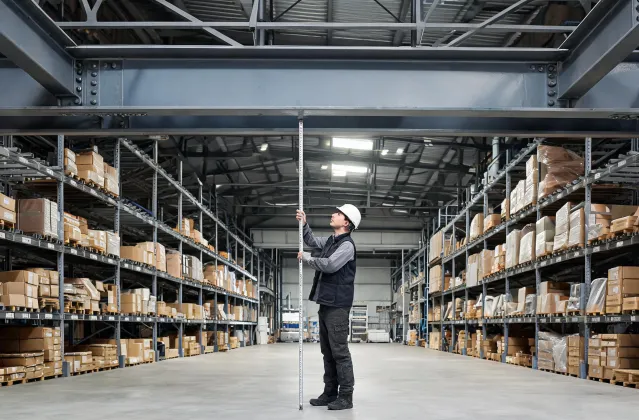
A maintenance supervisor replacing one machine needs hook mount, chain length and control voltage. A plant engineer adding trolley travel needs beam flange width and aisle clearance. An importer sending a container needs destination, Incoterms notes and whether commissioning is local. These are example situations, not named customer case studies.
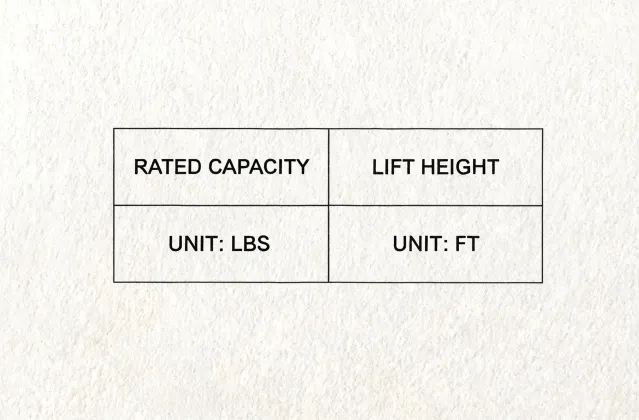
No OEM identity, no authorised-dealer badge, no inventory promise and no invented savings percentage. Public references such as Thomas Supplier Discovery remain directory observations. Opening those pages is not a submitted RFQ through this form. Read scope separation before treating a machine-only number as a landed cost.
Use the same inquiry fields as the modal. We review product, quantity and destination before any eligibility note is confirmed.